Pakistan's Structural Leverage: A Five-Decade Record of Backchannel Diplomacy
A comprehensive geopolitical analysis of Pakistan's diplomatic role as an international mediator—from the US-China Cold War détente to the 2026 epicentrum of the US-Iran crisis.
StoryRendered25 min read
Pakistan's Structural Leverage: A Complete History of Backchannel Diplomacy
An investigative and academic examination of Islamabad's enduring role as a geopolitical mediator.
ℹ️
Abstract
This research paper examines Pakistan’s historical and contemporary role as a structural conduit for backdoor diplomacy between adversarial states. Operating within a uniquely precarious geographical constraint—bordering nuclear India, post-US Afghanistan, and politically isolated Iran, whilst maintaining deep financial tethering to the Gulf and strategic dependence on the United States and China—Islamabad has frequently weaponized its neutrality. By indexing five decades of classified and declassified missions, ranging from Henry Kissinger's secret 1971 flight to Beijing, to the 2026 "Committee of Four" mitigating the US-Iran Operation Epic Fury crisis, this paper identifies a recurring diplomatic paradigm: Pakistan’s geopolitical vulnerability functions, paradoxically, as its greatest strategic asset.
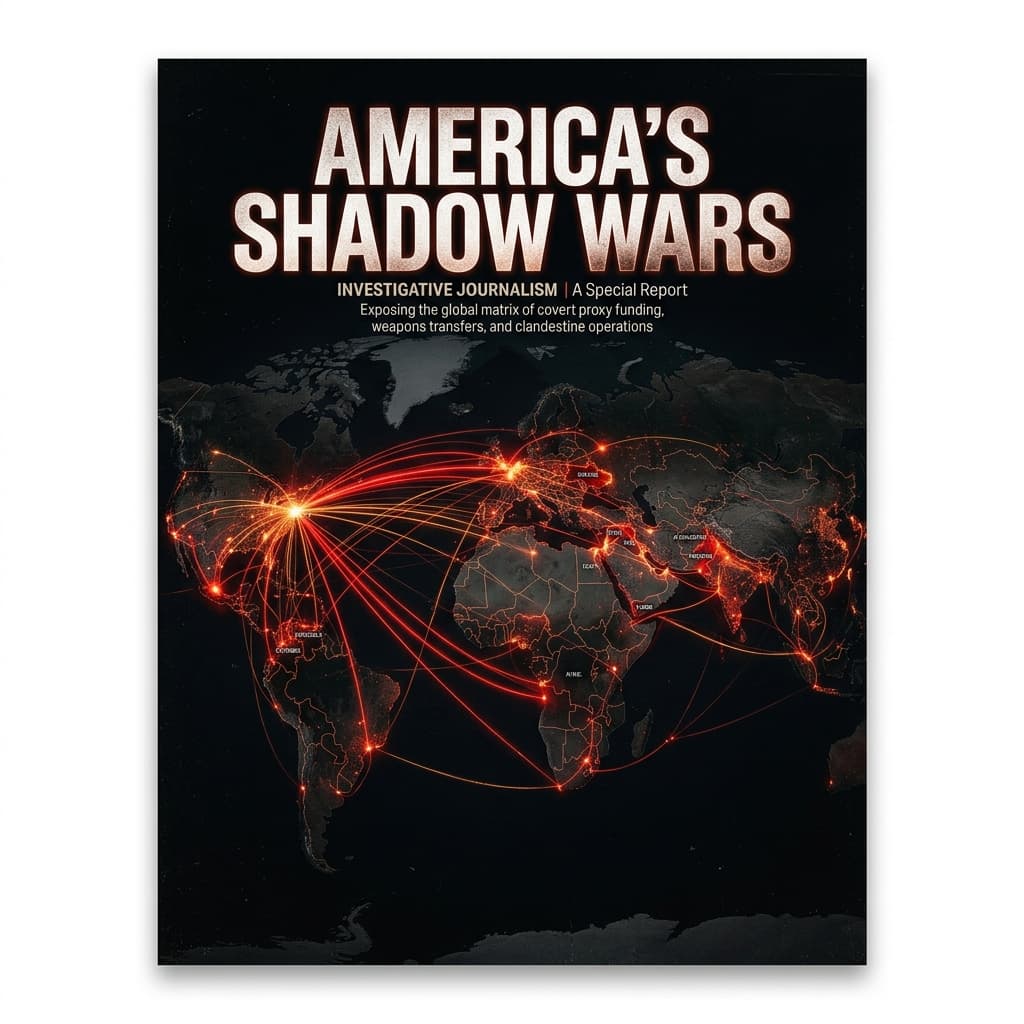
Figure 1: The architecture of Islamabad's silent diplomacy spans over five decades, utilizing its non-alignment as a conduit for rival great powers.
PART I — THE HISTORICAL ARCHITECTURE OF MEDIATION
1. The US-China Opening (1969–1972): Cold War Triangulation
In the middle of 1971, at the height of the Cold War, a Pakistani government plane fundamentally restructured the international order. Carrying US Secretary of State Henry Kissinger, the aircraft flew overnight from Islamabad to Beijing—a clandestine mission code-named Operation Polo Step.
August 1969
Nixon's Backchannel Request (Lahore)
President Richard Nixon, visiting Pakistan, privately enlists military dictator President Yahya Khan to act as a stealth intermediary. Nixon's objective was to exploit the Sino-Soviet split, achieving a diplomatic détente with Mao Zedong’s China to isolate the Soviet Union. Pakistan possessed the requisite trust in both Washington and Beijing, making it a singular, non-Western bridge into the Bamboo Curtain.
July 9-11, 1971
Operation Polo Step
Arriving in Islamabad on a heavily publicized Asian tour, Kissinger feigned a severe stomach illness during a welcome dinner. In reality, Yahya Khan’s military apparatus covertly escorted Kissinger and three top aides to a military airfield, where a Pakistani government Boeing 707—boarded by four Chinese diplomats—flew them overnight to Beijing. A decoy motorcade concurrently drove to the hill resort of Nathia Gali to deceive global press and Soviet intelligence.
Figure 2: The July 1971 secret flight from Chaklala Airbase that paved the way for Nixon's famous 1972 visit to Beijing.
Analytical Implication:
This venture cemented a structural reality in Washington: Pakistan could execute high-risk, high-reward covert diplomacy. Winston Lord, Kissinger's special assistant, later stated: "We finally settled on Pakistan... [it] had the advantage of being a friend to both sides."
However, this leverage came at a grim human cost. Kissinger later acknowledged that the Nixon administration systematically ignored human rights abuses perpetrated by the Pakistani military in East Pakistan (resulting in the creation of Bangladesh). The Nixon White House determined that condemning Yahya Khan "would have destroyed the Pakistani channel, which would be needed for months to complete the opening to China."
2. The Afghan Theatre (1980s–2020): Stakeholder and Arbitrator
Pakistan's Afghan doctrine remains its longest, most violent, and most structurally ambiguous diplomatic exercise. Throughout the Cold War and the Global War on Terror, Pakistan effectively acted as both an active combatant proxy and a neutral arbitrator.
The Dual Track of Afghan Diplomacy
The Geneva Accords (1982-1988): Following the 1979 Soviet invasion, Pakistan’s Directorate for Inter-Services Intelligence (ISI) served as the primary command-and-control conduit for Operation Cyclone, funneling billions in US and Saudi hardware to the Mujahideen. Concurrently, Pakistan mediated UN-led negotiations in Geneva. Because Islamabad refused to recognize the Soviet-backed Kabul regime, negotiations were conducted indirectly via "proximity talks." The 1988 Accords provided the framework for the Soviet withdrawal.
The Murree Talks (2015): Pakistan hosted the first officially acknowledged, direct peace talks between the Afghan Taliban and President Ashraf Ghani's government in Murree, with US and Chinese diplomats observing.
The Doha Agreement (2020): During the grueling US-Taliban negotiations, US Special Representative Zalmay Khalilzad explicitly relied on Pakistani intelligence leverage to coerce Taliban supreme leadership (the Quetta Shura) into sustaining the dialogue, eventually yielding the 2020 withdrawal treaty.
Academic Consensus: As noted by Foreign policy analyst Muhammad Faisal, the Afghan theatre highlights the limitations of Pakistan's diplomatic efficacy: "Pakistan did bring the Taliban interlocutors to the table. However, the outcome — the rushed US exit and the Taliban takeover — did not secure Pakistan's own medium-to-long term interests." Today, the state finds itself in acute border conflict with the very regime it spent two decades protecting.
3. Middle Eastern Defusion: Disarming Riyadh and Tehran
The rivalry between the Kingdom of Saudi Arabia and the Islamic Republic of Iran creates a devastating geostrategic dilemma for Pakistan. The state is structurally bound to Saudi Arabia via massive financial inflows (remittances and oil deferred-payment facilities) and a mutual defense pact signed in 2025. Yet, Pakistan shares a volatile 900-kilometer border with Iran and houses the world's second-largest Shia Muslim demographic.
2016 Crisis: Following the ransacking of Saudi missions in Tehran, PM Nawaz Sharif and Army Chief Gen. Raheel Sharif conducted rapid shuttle diplomacy between Riyadh and Tehran.
2019 Aramco Strikes: Following debilitating drone strikes on Saudi oil infrastructure at Abqaiq, PM Imran Khan undertook mediation at the behest of the Trump administration, attempting to construct dialogue pathways.
While the monumental 2023 restoration of Saudi-Iranian diplomatic ties was brokered by China, Pakistan's Foreign Office and systemic backchannels undeniably laid the structural groundwork during the 2022 OIC summits in Islamabad.
PART II — THE STRUCTURAL FOUNDATIONS OF PAKISTANI LEVERAGE
To comprehend why Washington, Beijing, and Riyadh repeatedly request Islamabad's mediation, one must synthesize Pakistan's demographic, military, and geostrategic attributes.
⚛️
Nuclear
Deterrence
Sole Muslim Nuclear Power
🛡️
0
US Bases
Perceived Neutrality
🗺️
900km
Border with Iran
Geographic imperative
🤝
Def Pact
Saudi Arabia
Signed September 2025
Former Ambassador Naghmana Hashmi models the state's diplomatic philosophy:
"Pakistan's story is told most often through the prism of conflict. Yet beneath the headlines of coups, crises, and border skirmishes runs a quieter, more consistent thread: a state that has repeatedly tried to turn its geography and Muslim-world ties into diplomatic leverage for peace."
Unlike regional actors such as Egypt or Jordan, Pakistan executes diplomacy from a position of "aligned non-alignment"—maintaining equidistant operational logistics with Washington, Beijing, Tehran, and Riyadh without explicitly pursuing bloc politics.
PART III — THE 2026 CRISIS: OPERATION EPIC FURY & "THE COMMITTEE OF FOUR"
The War That Created the Opportunity
The launch of Operation Epic Fury—the US-Israeli air campaign commencing in late February 2026, which resulted in the assassination of Iran's Supreme Leader Ali Khamenei—ushered in a period of unprecedented regional destabilization. As retaliatory algorithms escalate, Islamabad has quietly constructed the primary backchannel capable of averting total regional conflagration.
The stakes for Pakistan are existential: the collapse of Gulf stability jeopardizes the supply chains that fulfill 80% of its energy needs and threatens the remittances of five million expatriate laborers.
Diplomatic Forensics: Execution of the 2026 Backchannel
Diplomatic Mechanics & Strategic Yield
The US 15-Point Ceasefire: On March 25, Foreign Minister Ishaq Dar confirmed Islamabad was the active conduit relaying a comprehensive US ceasefire framework to Tehran. Chief US negotiator Steve Witkoff authenticated Pakistan's role, leading directly to Trump’s localized 10-day pause on Iranian power plant strikes.
Vetoing Israeli Escalation: Intelligence reports indicate Pakistan intervened strategically when Israeli forces acquired the coordinates of Iranian FM Abbas Araghchi and Parliament Speaker Mohammad Bagher Ghalibaf. Pakistan delivered a firm ultimatum to Washington: "If they were also taken out, there would be no one left to negotiate with," forcing a US veto on the Israeli strike.
The Nuclear Framework Adjustment: Bypassing the maximalist US demand for "zero uranium enrichment," Islamabad successfully floated an internationally monitored surveillance framework applicable to two to three global powers, retaining Iranian dignity while satisfying US proliferation concerns.
Formation of the "Committee of Four" (March 29, 2026)
Recognizing the failure of disjointed mediation, Pakistan spearheaded the creation of the Committee of Four alongside Saudi Arabia, Turkiye, and Egypt. Meeting for two days in Islamabad, the consortium represents a sophisticated institutionalization of Muslim-world diplomacy.
The architecture is deliberate:
Pakistan & Turkiye: Nuclear capability intertwined with NATO membership.
Saudi Arabia & Egypt: Hegemonic Arab wealth intertwined with vast military presence.
The preliminary yield of this mechanism was the Hormuz Maritime Concession. Tehran authorized 20 Pakistani-flagged oil tankers to transit the Strait of Hormuz per diem. This gesture served as a high-value confidence-building measure (CBM) to demonstrate to Washington that the backchannel possessed tangible leverage over the waterway closure crisis.
Figure 3: Over 20% of global petroleum transits the Strait of Hormuz. Pakistan's ability to secure maritime passage during Epic Fury proved its influence in Tehran.
The Multi-Polar Umbrella
Islamabad’s initiative is actively buttressed by Beijing. Chinese Foreign Minister Wang Yi endorsed Pakistan's "untiring efforts to cool down the situation." Geopolitically, Pakistan allows China to manage de-escalation in the vital Gulf region without risking direct Sino-American confrontation over Iranian defense grids. Concurrently, US intelligence and military forces—including Amphibious Task Forces led by the USS Tripoli entering the Gulf—cast a kinetic shadow over the talks, forcing Tehran toward the Pakistani channel.
CONCLUSION: THE LIMITS AND LONGEVITY OF THE BROKER
Macro-Historical Ledger of Backchannel Outcomes
Epoch
Geopolitical Mission
Structural Outcome
1969–1972
US-China détente (Nixon/Kissinger)
Categorical Success: Altered Cold War balance of power
Partial Success: Secured US exit, generated regional blowback
2016-2019
Saudi-Iran De-escalation
Stalled: Lack of hard leverage over localized proxy warfare
2022–2023
Riyadh-Tehran Diplomatic Thaw
Facilitative Success: Laid foundations for Chinese mediation
2026
Operation Epic Fury Containment
Active (High Yield): Sustaining communication amidst kinetic strikes
Source: Data extracted from declassified US State Department filings and current geopolitical intelligence reports.
The continuum across fifty years is empirical: Pakistan's singular geography, its alignment elasticity, and its immense internal vulnerabilities consistently force it into the broker's chair. As noted by the Quincy Institute's Trita Parsi: "Pakistan is well-positioned to help advance the diplomacy, but ultimately, the conflict has to be ripe for mediation."
Whether Islamabad possesses the sovereign capital to enforce a lasting armistice in the volatile 2026 US-Iran continuum remains an open variable. However, its historical ability to engineer communication across profound geopolitical chasms remains an unparalleled apparatus in modern international relations.
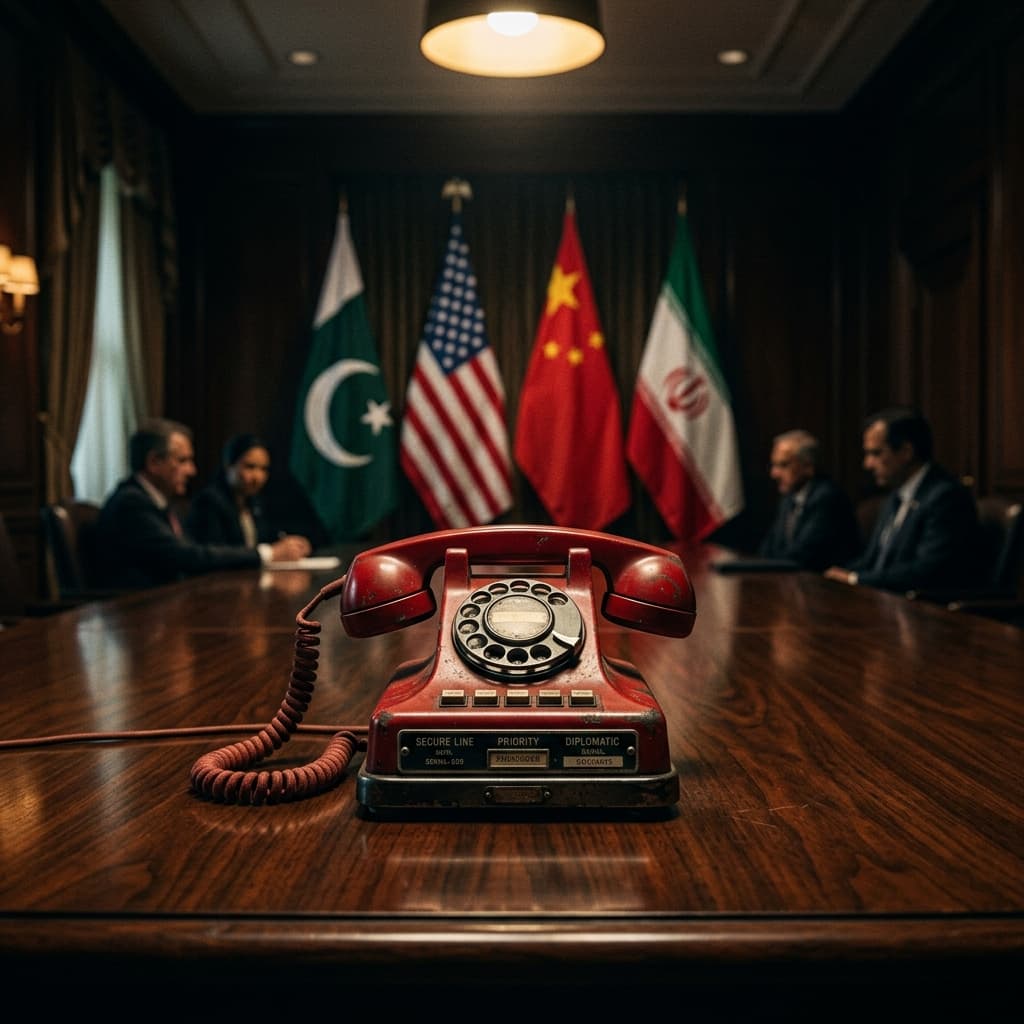
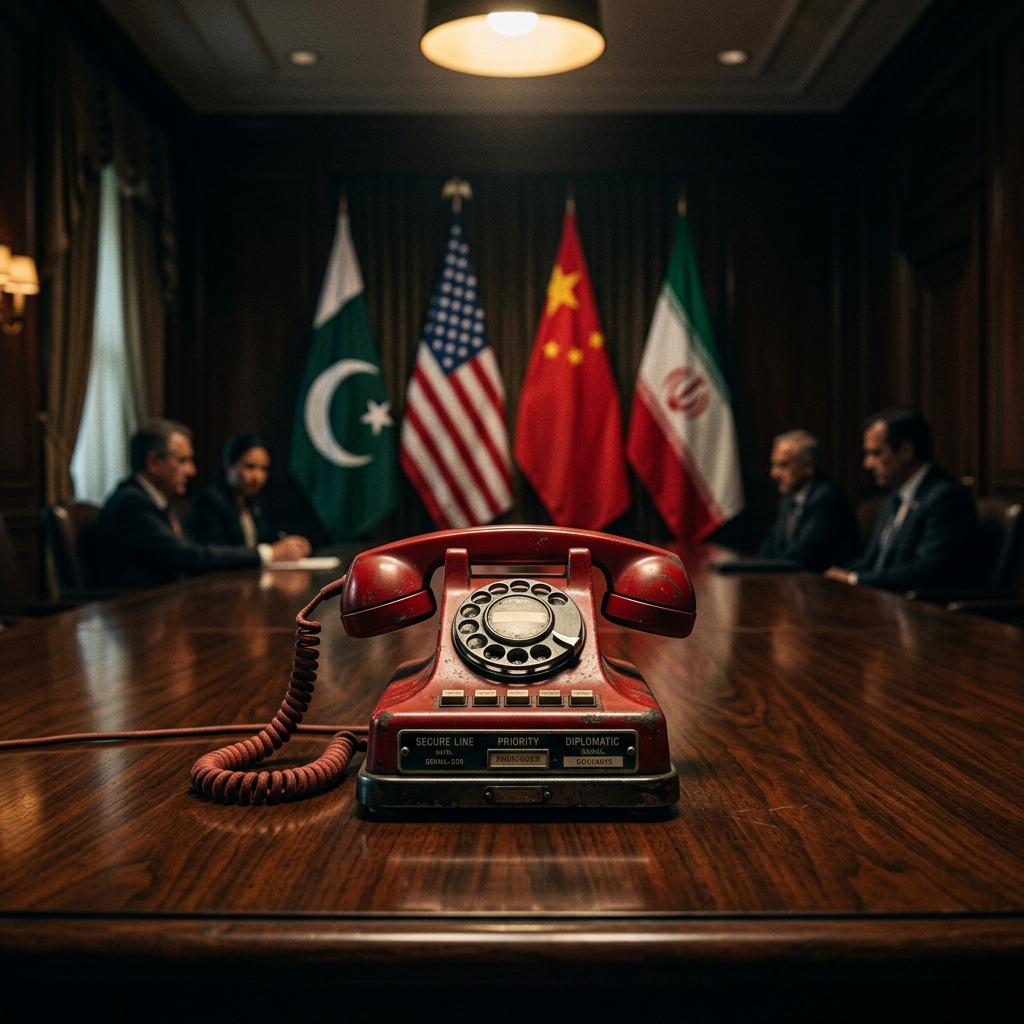 Figure 1: The architecture of Islamabad's silent diplomacy spans over five decades, utilizing its non-alignment as a conduit for rival great powers.
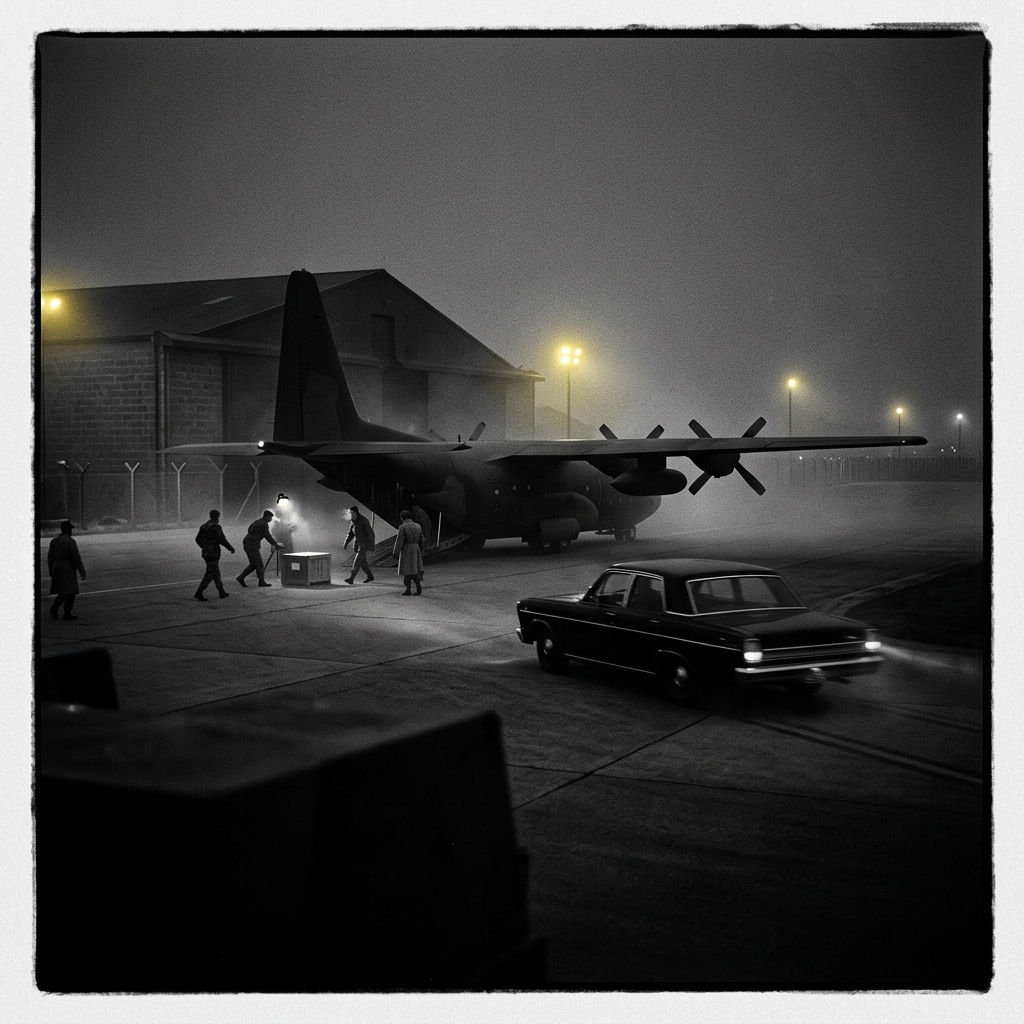 Figure 2: The July 1971 secret flight from Chaklala Airbase that paved the way for Nixon's famous 1972 visit to Beijing.
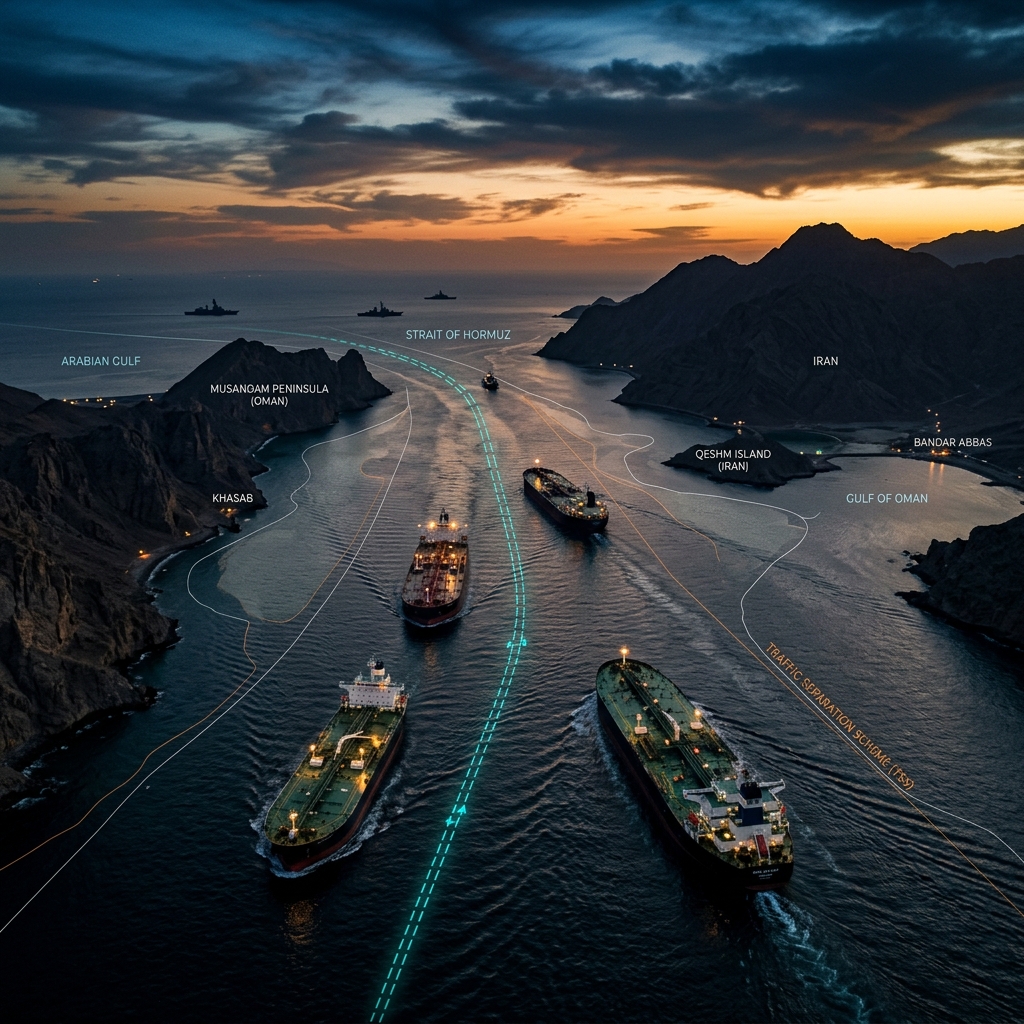 Figure 3: Over 20% of global petroleum transits the Strait of Hormuz. Pakistan's ability to secure maritime passage during Epic Fury proved its influence in Tehran.
 Axis of Resistance