How the US and Israel Are Waging War on Iran’s Medicines and Vaccines
 The war on Iran's healthcare operates on two concurrent tracks: economic strangulation and direct kinetic strikes.
Background: The War Begins
The United States and Israel have carried out multiple attacks on medical facilities in the course of their war on Iran, which began with the first joint strikes on February 28, 2026. At least 2,076 people have been killed and 26,500 wounded in Iran since that date.
On April 3, Iranian President Masoud Pezeshkian — a heart surgeon by profession — appealed to international health organisations including the WHO, the Red Cross, and Doctors Without Borders to respond to the systematic attacks on medical facilities.
What message does attacking hospitals, pharmaceutical companies and the Pasteur Institute as a medical research center in Iran convey?
The Specific Targets
A pattern of targeted strikes has systematically degraded civilian health infrastructure over the course of the conflict.
The Pasteur Institute of Iran
Target: The oldest and most prestigious research and public health centre in the Middle East (founded in 1920). Context: The institute produces vaccines and biological products, fighting endemic diseases and supplying Iran's national immunisation programme for tetanus, hepatitis B, and measles. Iranian Foreign Ministry spokesman Esmaeil Baghaei described the attack as "heartbreaking, cruel, despicable, and utterly outrageous." WHO Director-General Tedros Adhanom Ghebreyesus confirmed that two departments of the Institute worked directly with the WHO.
Tofigh Daru Pharmaceutical Company
Target: A major facility in Tehran belonging to Tofigh Daru Research and Engineering Company. Context: One of the country’s top producers of cancer drugs, immunomodulators for multiple sclerosis, and anaesthetics crucial for operating rooms. Since Iran produces more than 90% of its medicine domestically due to US sanctions, destroying this active ingredient manufacturer severely cripples the production of domestic drugs. Justifications: The Israeli military claimed the facility supplied fentanyl for chemical weapons production. Iranian officials rejected this entirely, calling it a deliberate attempt to fracture the healthcare system.
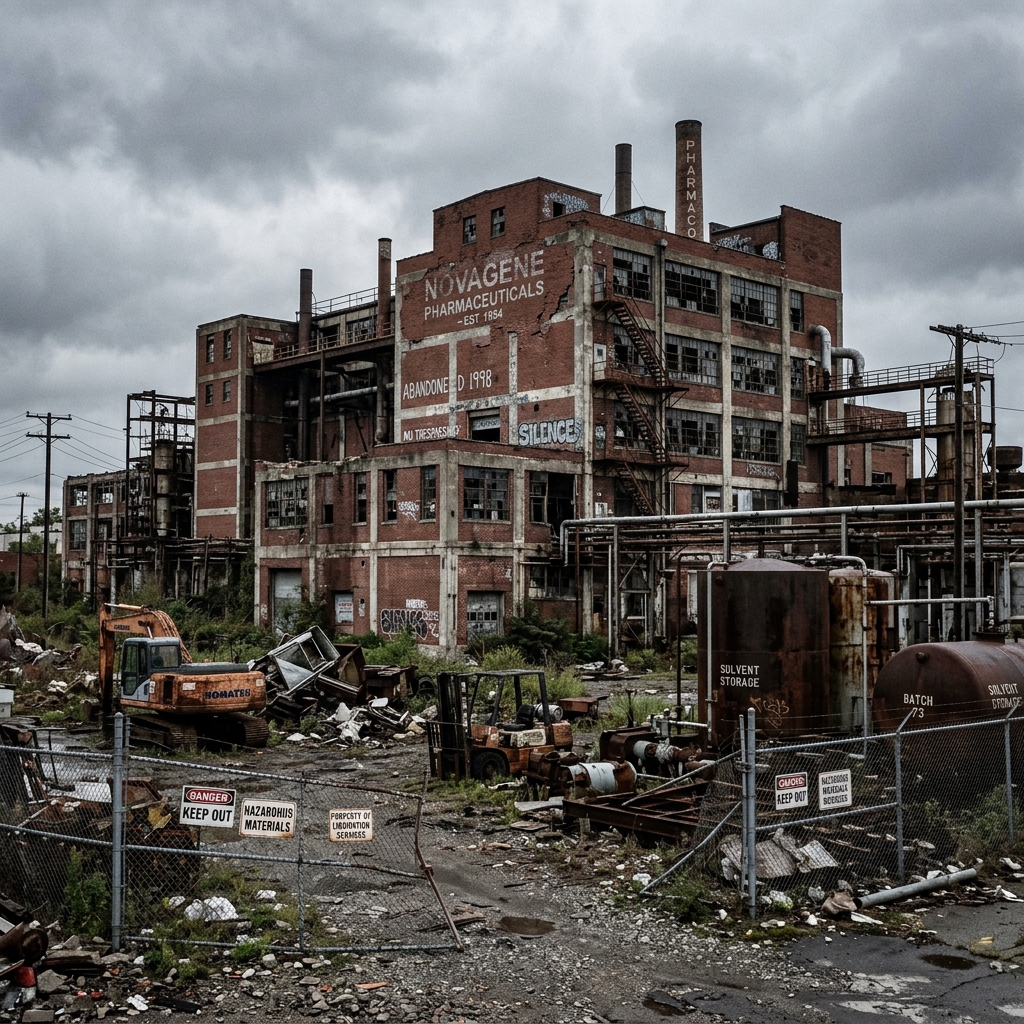 Photos released by Iranian officials showed the pharmaceutical building completely destroyed, its top floor blown out and structure compromised.
Additional Medical Infrastructure Strikes
- March 29, 2026 — Delaram Sina Psychiatric Hospital: A newly constructed hospital in Tehran significantly damaged during strikes while approximately 30 patients were inside.
- March 21, 2026 — Ali Hospital (Khuzestan Province): The WHO confirmed an explosion forced the hospital to evacuate its staff and fully cease services.
- March 2, 2026 — Gandhi Hospital (Tehran): Damaged during attacks on a neighboring communications tower, sparking protests from medical professionals.
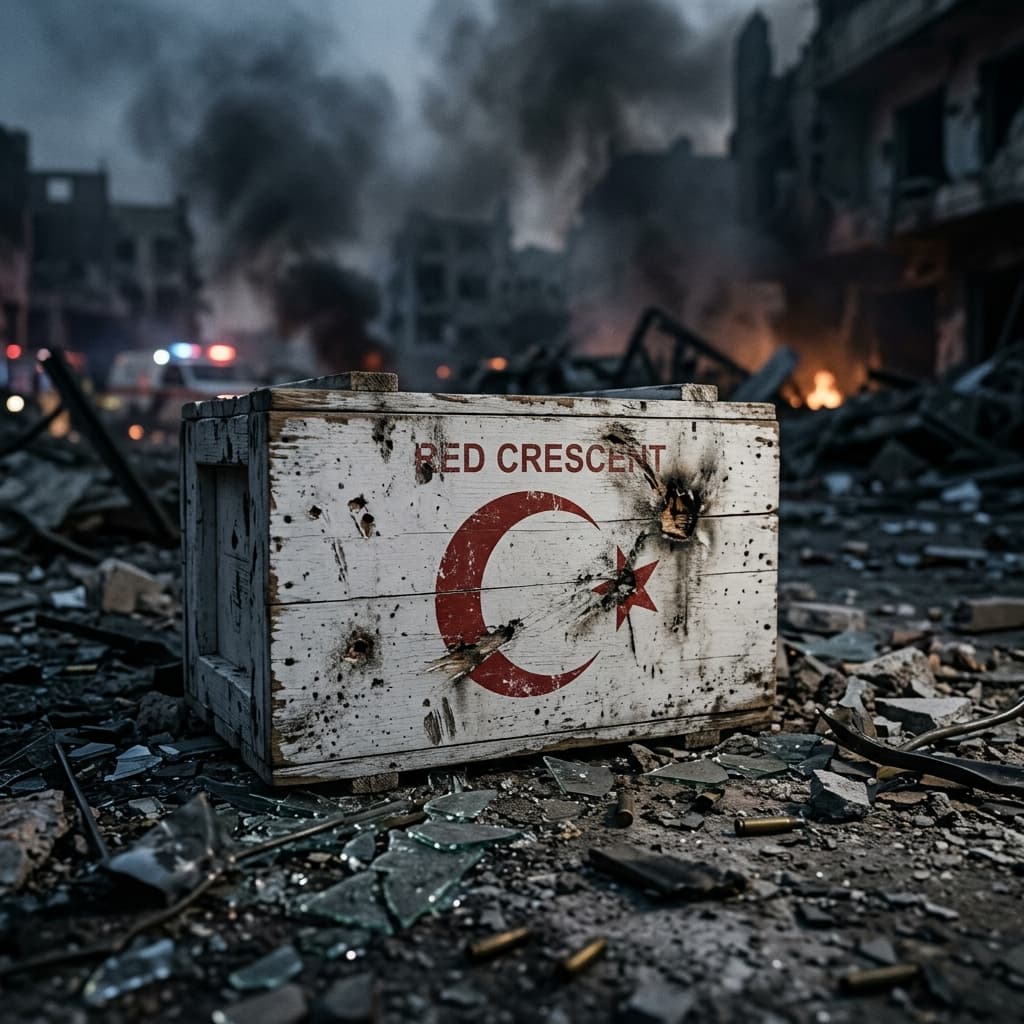
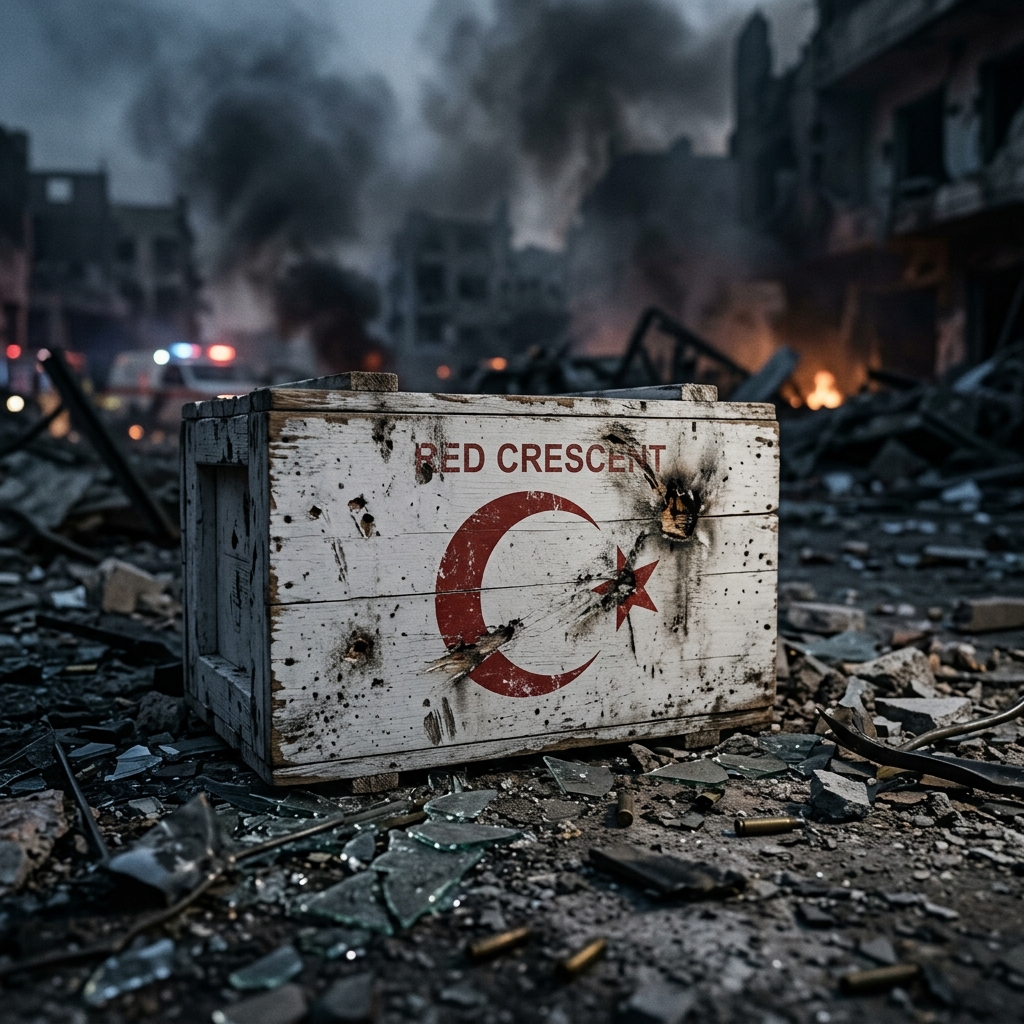
- April 4, 2026 — Red Crescent Warehouse (Bushehr Province): A drone strike destroyed a relief warehouse, incinerating two relief containers, two buses, and emergency vehicles.
- Broader Pharmaceutical Zones: The industrial areas in Karaj and Vardavard—home to multiple pharmaceutical companies—were explicitly warned by Israeli aerial maps to evacuate, signaling impending strikes.
WHO Director-General Tedros verified that since March 1, the WHO has confirmed over 20 attacks on health care in Iran, resulting in at least nine deaths, including an infectious diseases health worker and a Red Crescent Society member.
The Sanctions Backdrop: A Pre-existing Medical Crisis
The military strikes compound a healthcare crisis that has been building for decades through economic warfare and banking restrictions.
The Scale of the Sanctions-Driven Shortage
Millions of patients suffering from hemophilia, multiple sclerosis, thalassemia, cancer, and rare diseases (such as epidermolysis bullosa) have seen vital supply chains severed. Operating theatres have exhausted modern anesthetics, reverting to obsolete standards. Human Rights Watch found that sanctions cause unnecessary suffering, particularly for marginalized populations.
The “Overcompliance” Problem
Excessive caution by Western banks and pharmaceutical manufacturers wary of US Treasury penalties acts as a total embargo. In one instance verified by HRW, a European company refused to sell specialized bandages for epidermolysis bullosa patients despite humanitarian exemptions.
Companies like Tofigh Darou produce ingredients and precursors which can then be used to make a wide range of drugs domestically. The only reason you would hit this target is to try to limit medicine production in Iran.
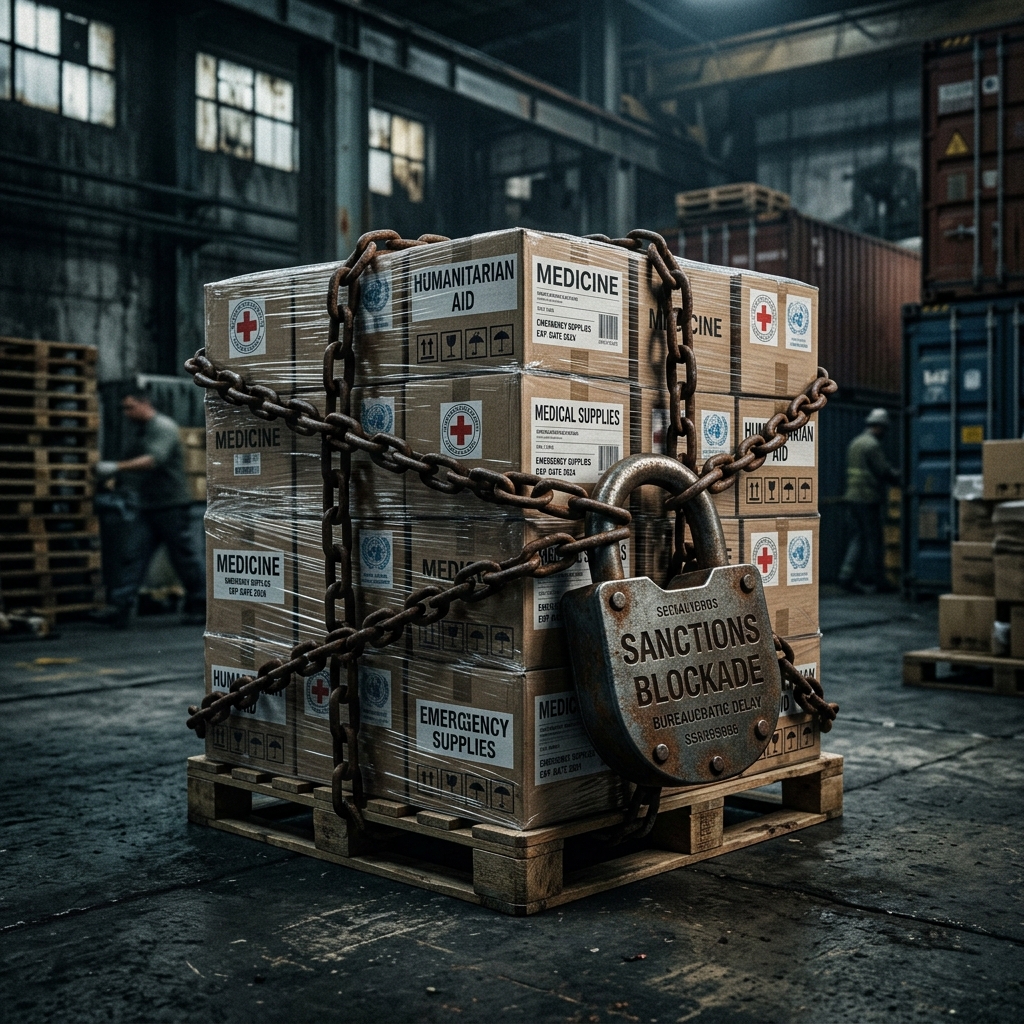 Humanitarian exemptions technically exist, but global banks overcomply with sanctions out of fear, effectively placing critical medical supplies under financial blockade.
UN Snapback Sanctions (September 2025)
Prior to the outbreak of war, a leading pharmaceutical figure warned that renewed UN "snapback" sanctions had tightened access to foreign currency. Though 99% of medications are produced natively, active pharmaceutical ingredients (APIs) still require imports from China and India. The Lancet explicitly noted that the exemptions architecture had no mechanism to verify effectiveness or safeguard global health outcomes.
International Reaction and Legal Context
Iran’s Foreign Ministry spokesperson Esmaeil Baqaei framed the military strikes as the kinetic evolution of the economic blockade: "Attacking pharmaceutical factories represents yet another dimension of their criminal sanctions — the very same sanctions that have long deprived Iranians of life-saving medicines. This is a blatant war crime and crime against humanity."
International humanitarian law strictly prohibits attacks on health establishments. Yet, in the preceding year alone, 1,348 attacks on medical facilities were recorded globally, killing nearly 2,000 individuals.
The Pattern: Iran, Lebanon, Gaza
The tactics seen in Iran mirror deeply documented patterns deployed in concurrent theaters:
- Lebanon: A month into Israeli bombardment, 53 medical workers were killed, 87 ambulances destroyed, and five hospitals forcibly closed. Doctors Without Borders (MSF) verified a "documented pattern of attacks affecting healthcare."
- Gaza: Systemic eradication of the health sector, including the al-Ahli Hospital strike (October 2023), the al-Shifa Hospital demolition (March 2024), and the mass arrest of Red Crescent medics and directors.
Summary
The war on Iran’s healthcare operates on two overlapping tracks: decades of financial warfare that collapsed humanitarian banking channels, followed by direct military strikes destroying pharmaceutical factories, vaccine research institutes, and relief warehouses. Critics and international lawyers argue that, taken together, this constitutes a systematic assault on civilian health infrastructure. Regardless of military justification, the WHO has independently verified over 20 attacks on healthcare in Iran within the conflict's first month alone.