Axis of Resistance Explained: Iran's Regional Network From 1979 to the 2026 Iran War
Who is in Iran's Axis of Resistance? A clear history of Hezbollah, Hamas, Iraqi militias and the Houthis, and how the 2026 Iran war exposed the network's limits.
StoryRendered18 min read
Updated May 2, 2026. This explainer separates the long history of Iran's alliance network from the current Iran war, where events are still moving quickly.
The Axis of Resistance is Iran's loose regional network of allied armed groups, political movements and state partners. It is not a formal alliance like NATO. It has no treaty, no single command room and no public charter. It is better understood as a layered system of influence: money, weapons, ideology, training routes, shared enemies and local political power.
For four decades, that system gave Iran a way to project force beyond its borders without fighting every battle under the Iranian flag. Hezbollah pressured Israel from Lebanon. Iraqi militias pressured US forces and Iraqi politics. Hamas and Palestinian Islamic Jihad tied Iran to the Palestinian front. The Houthis gave Tehran's camp leverage near the Red Sea and Bab al-Mandeb. Syria, until the fall of Bashar al-Assad in December 2024, gave Iran the land bridge that connected Tehran to Lebanon.
The network is now under the greatest pressure in its history. Hamas has been devastated in Gaza. Hezbollah lost Hassan Nasrallah and much of its command structure in 2024. Assad's Syria collapsed, cutting Iran's most important corridor to Lebanon. The June 2025 Twelve-Day War exposed how little help Iran's partners could provide when Iran itself was attacked. The 2026 US-Israel war against Iran, the killing of Ali Khamenei and the Houthi entry into the conflict have turned the Axis from a confident deterrence project into a fractured survival network.
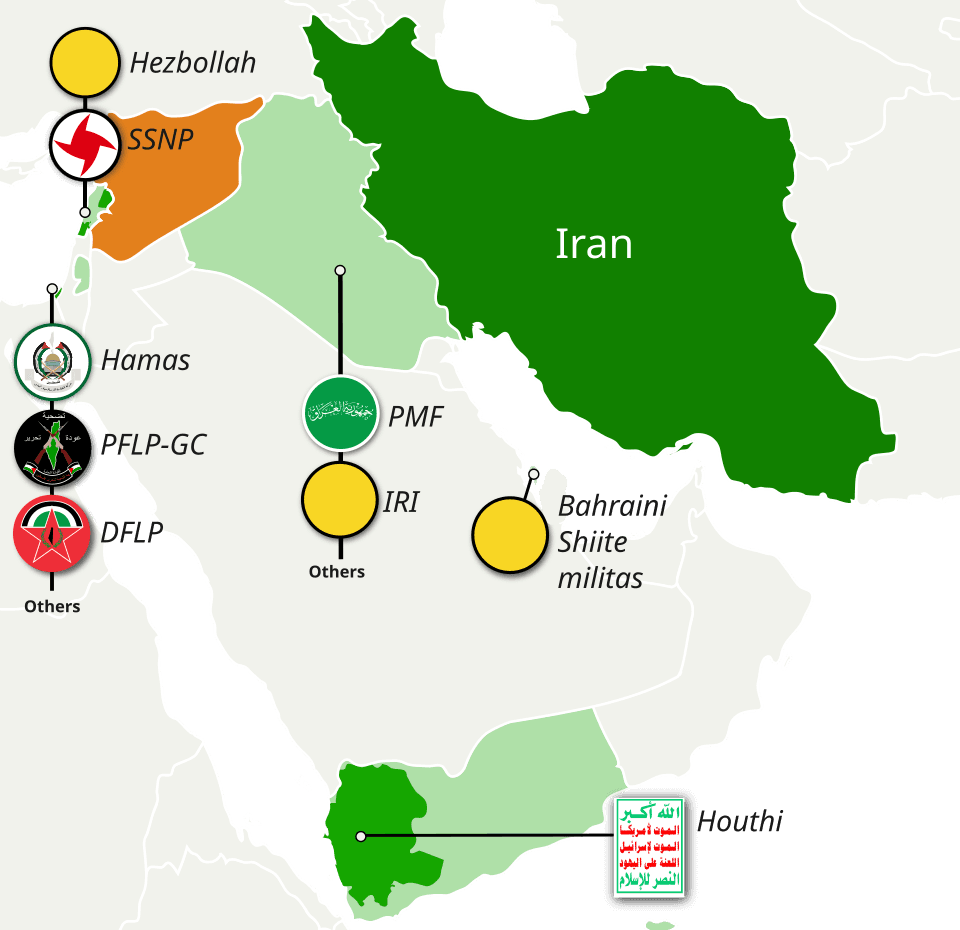
Iran's Axis of Resistance links actors in Lebanon, Iraq, Yemen, the Palestinian territories and, until 2024, Syria. The network is political, military and logistical rather than treaty-based.Wikimedia Commons, CC BY-SA 4.0
1979
Origin Point
Iran's revolution created the ideological and institutional foundation.
1982
Hezbollah Built
The IRGC helped form Hezbollah after Israel's Lebanon invasion.
2024
Network Shock
Nasrallah was killed and Assad's Syria fell.
2026
Direct War
The Iran war turned the proxy model into a live test.
At a Glance
What it is: A loose Iran-aligned coalition built around opposition to Israel, the United States and US-backed regional order.
Main actors: Iran, Hezbollah, Hamas, Palestinian Islamic Jihad, parts of Iraq's Popular Mobilization Forces and Yemen's Houthis.
Former state pillar: Syria under the Assad family, until Damascus fell in December 2024.
Strategic idea: Fight forward, outside Iran's borders, so Iran can threaten multiple fronts without direct conventional war.
Current reality: The network is damaged, decentralized and less synchronized, but not gone.
What Is the Axis of Resistance?
The term describes a coalition of Iran and Iran-aligned groups across the Middle East. Its members do not all share the same religion, local goals or political structure. Hezbollah is a Lebanese Shia movement with a military wing and a deep role in Lebanese politics. Hamas is a Sunni Palestinian Islamist movement. The Houthis are a Zaydi Shia movement rooted in Yemen's war and politics. Iraqi militias operate inside a state system where many are formally linked to the Popular Mobilization Forces.
What binds them is not identical ideology. It is a strategic bargain.
Iran supplies weapons, training, money, technical knowledge and political backing. In return, these groups expand Iran's regional reach and create pressure points around Israel, US bases, Gulf energy infrastructure and maritime chokepoints. For the groups themselves, Iran's support offers military depth and prestige, while allowing them to pursue local agendas.
That is why the word "proxy" can be both useful and misleading. Some actors are heavily dependent on Iran. Others, especially Hezbollah and the Houthis, have their own command structures, constituencies, revenue streams and political calculations. In 2026, that autonomy matters more than ever.
The Idea Behind It: Forward Defense
Iran's leadership learned a hard lesson during the 1980-1988 Iran-Iraq War: direct conventional war on Iranian soil is catastrophic. The Axis of Resistance became one answer to that vulnerability.
The logic was simple:
Build friendly armed groups outside Iran.
Put pressure on Israel and US forces from several directions.
Make any attack on Iran risk a wider regional war.
Preserve deniability where useful, while celebrating "resistance" where politically valuable.
This is often described as forward defense. Instead of waiting for enemies at Iran's border, Tehran helped build deterrence in Lebanon, Gaza, Iraq, Syria and Yemen.
For years, the system looked effective. Iran could threaten Israel from Lebanon, the Red Sea from Yemen, US positions from Iraq and Syria, and Gulf oil infrastructure through missile and drone capabilities. The image was of a region-wide ring of pressure.
The problem appeared when the ring was tested against sustained Israeli and US escalation. The Axis could harass, bleed and deter. It was much less able to defend Iran itself.
How It Began: 1979 to Hezbollah
The Axis did not begin as a finished strategy. It grew out of the 1979 Iranian Revolution, Ayatollah Ruhollah Khomeini's call to export revolution and the creation of the Islamic Revolutionary Guard Corps as the institution charged with defending the revolution at home and abroad.
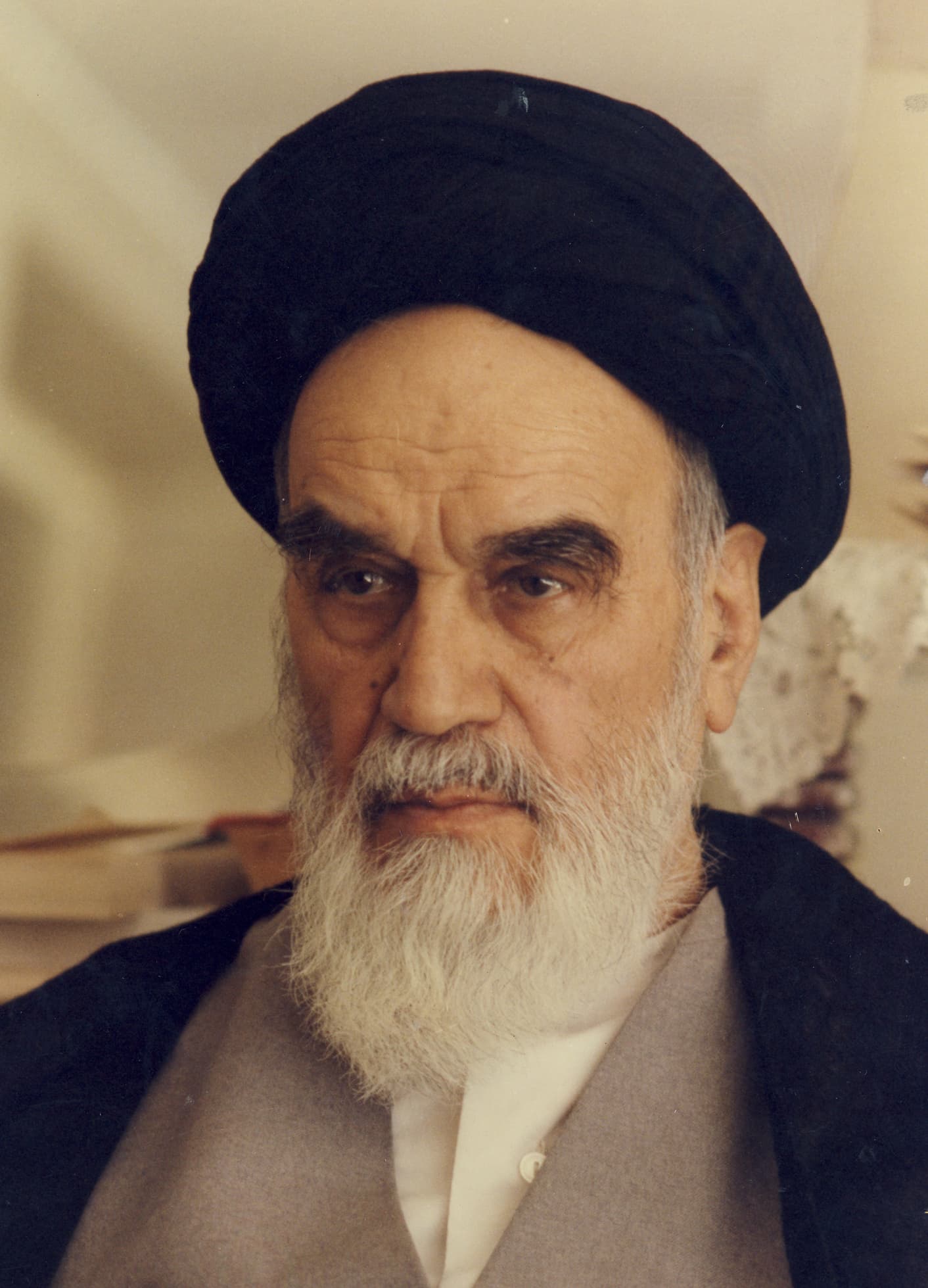
Ayatollah Ruhollah Khomeini gave Iran's post-1979 foreign policy its revolutionary language: resistance to Western power, Israel and pro-US regional governments.Wikimedia Commons, public domain
The first major success was Hezbollah. After Israel invaded Lebanon in 1982, Iran's Revolutionary Guards worked with Lebanese Shia militants to develop a new movement that combined armed resistance, social services, religious identity and political organization. Hezbollah became Iran's template: a force that could fight Israel, survive inside a weak state, build popular legitimacy and remain tied to Tehran without being simply an Iranian unit.
Hezbollah also gave Iran a strategic prize: a military actor on Israel's northern border. Over time, it built a large rocket and missile arsenal, a professional fighting force and influence far beyond Lebanon.
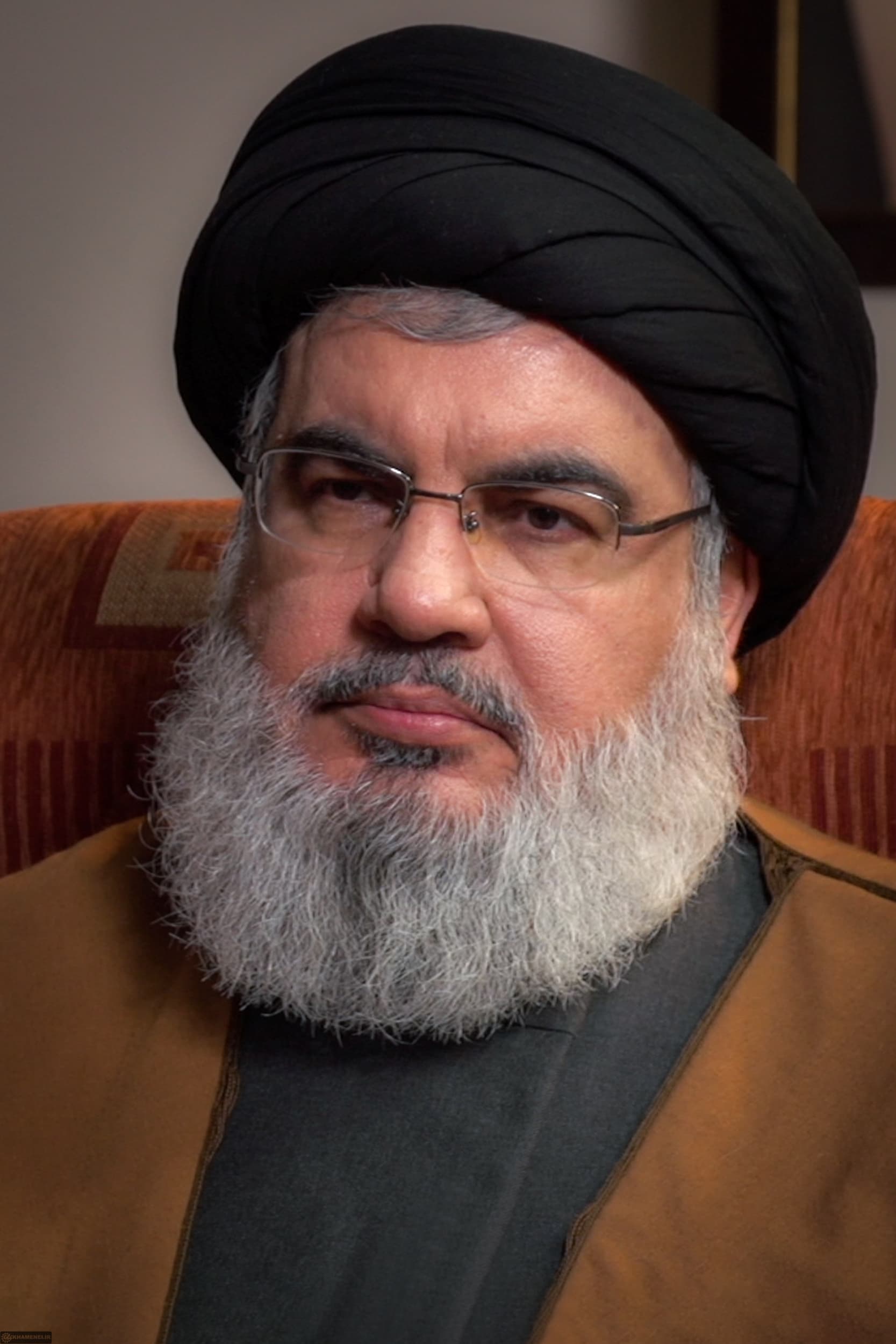
Hassan Nasrallah led Hezbollah for more than three decades. His killing in September 2024 was one of the most serious blows the Axis has suffered.Khamenei.ir via Wikimedia Commons, CC BY 4.0
Syria was the other early pillar. Hafez al-Assad's government aligned with Iran during the Iran-Iraq War and later became the essential route through which weapons and personnel could move toward Lebanon. For Tehran, Syria was not only an ally. It was infrastructure.
Qasem Soleimani and the Expansion of the Network
No single figure shaped the Axis more than Qasem Soleimani, commander of the IRGC's Quds Force. Soleimani understood the network not as a neat organization chart but as a set of personal relationships, battlefield partnerships and supply lines.
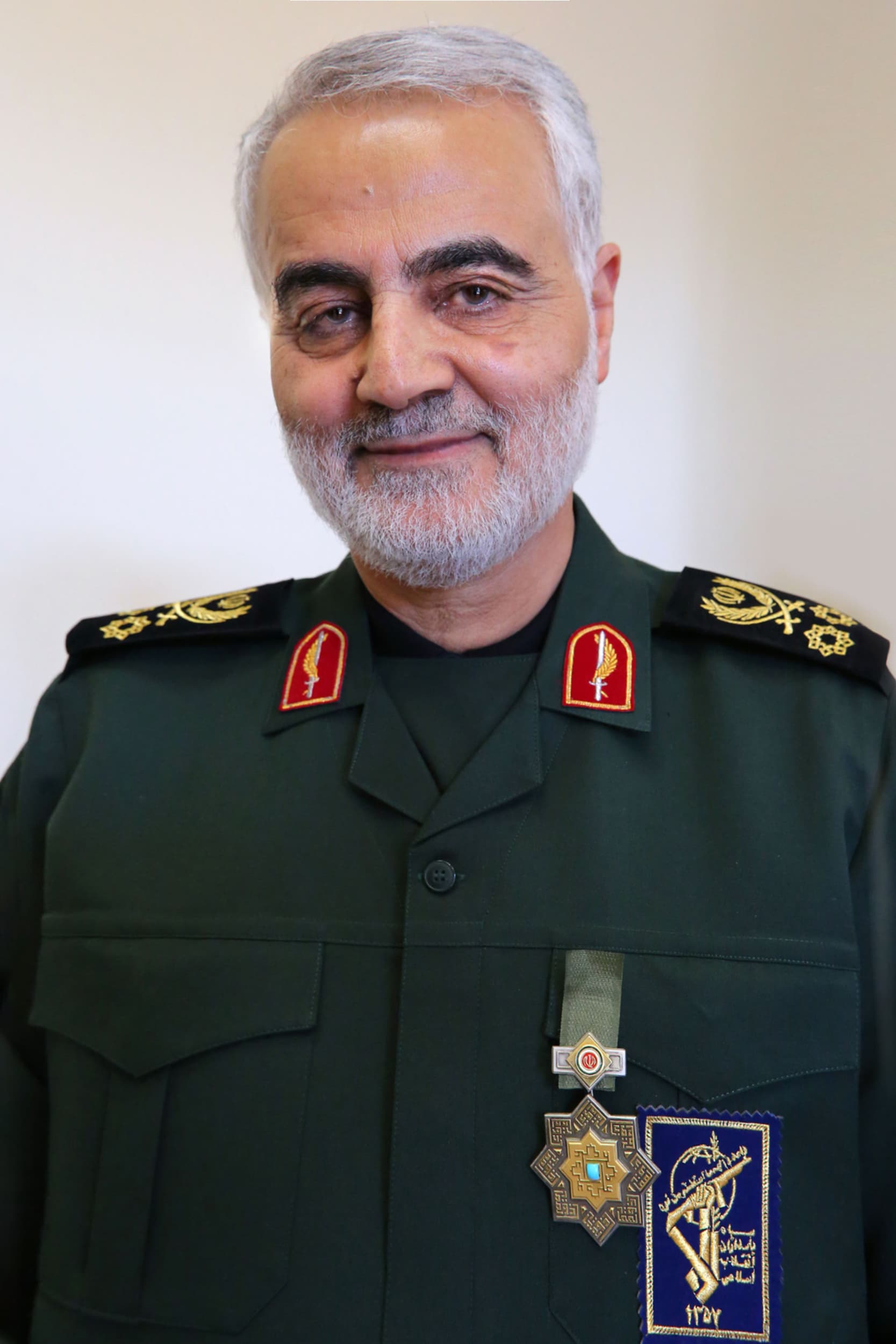
Qasem Soleimani, killed by a US drone strike in Baghdad in January 2020, was the relationship-builder and battlefield coordinator most associated with the Axis.Wikimedia Commons, CC BY-SA 4.0
After the US invasion of Iraq in 2003 removed Saddam Hussein, Iran found an opening. It cultivated Shia parties and militias, helped arm factions that opposed US forces and later supported groups fighting the Islamic State. Many of those forces entered Iraq's state-backed Popular Mobilization Forces after 2014, giving Iran-linked actors a durable role in Iraqi security and politics.
The Syrian civil war expanded the model further. Iran, Hezbollah and Iraqi fighters helped keep Bashar al-Assad in power for years. The intervention preserved Iran's land route to Lebanon, but it also tied the Axis to brutal wars, sectarian polarization and state collapse.
Soleimani's killing in January 2020 damaged the network's connective tissue. Iran still had influence, but it lost the commander whose personal authority often bridged rival local interests.
Who Belongs to the Axis?
Iran
Iran is the sponsor, arms supplier, trainer and ideological anchor. The Quds Force manages much of Tehran's external armed network. But Iran's relationship with each partner differs: Hezbollah has long been deeply integrated with Iranian strategy, while the Houthis have become increasingly independent in timing and tactics.
Hezbollah in Lebanon
Hezbollah has been the Axis's strongest non-state military force and its most important battlefield partner. It gained legitimacy in Lebanon through resistance to Israeli occupation, social services and Shia political mobilization. It also became a state-within-a-state problem: too powerful to ignore, too embedded to remove easily and too armed for normal Lebanese politics.
The 2024 killing of Nasrallah and other senior commanders weakened Hezbollah's deterrent image. But the group remains armed, politically present and capable of renewed escalation, as continued Israel-Hezbollah clashes in 2026 show.
Hamas and Palestinian Islamic Jihad
Hamas and Palestinian Islamic Jihad gave Iran a Palestinian front. Their relationship with Iran was always more complicated than Hezbollah's. Hamas is Sunni and has its own political history, including disagreements with Iran over Syria. But Iran's support gave Palestinian armed groups military capabilities that could pressure Israel from Gaza and connect the Palestinian issue to Tehran's regional posture.
The October 7, 2023 Hamas-led attack on Israel triggered the war that ultimately placed the entire Axis under pressure. Israel's campaign in Gaza severely damaged Hamas's military infrastructure and leadership.
Iraqi Militias and the PMF
Iraq is not simply a proxy battlefield. It is a sovereign state where Iran-linked militias, political parties, clerical networks and economic interests overlap. Some armed factions are close to Tehran. Others balance Iranian ties against Iraqi nationalism, government pressure and local survival.
That makes Iraq the hardest part of the Axis to describe cleanly. Iran has deep influence there, but not total control.
The Houthis in Yemen
The Houthis, also known as Ansar Allah, are the most geographically distant major Axis member and one of the least degraded. They control Sanaa and much of northern Yemen. Their missile and drone capabilities have threatened Israel, Saudi Arabia, the UAE and Red Sea shipping.
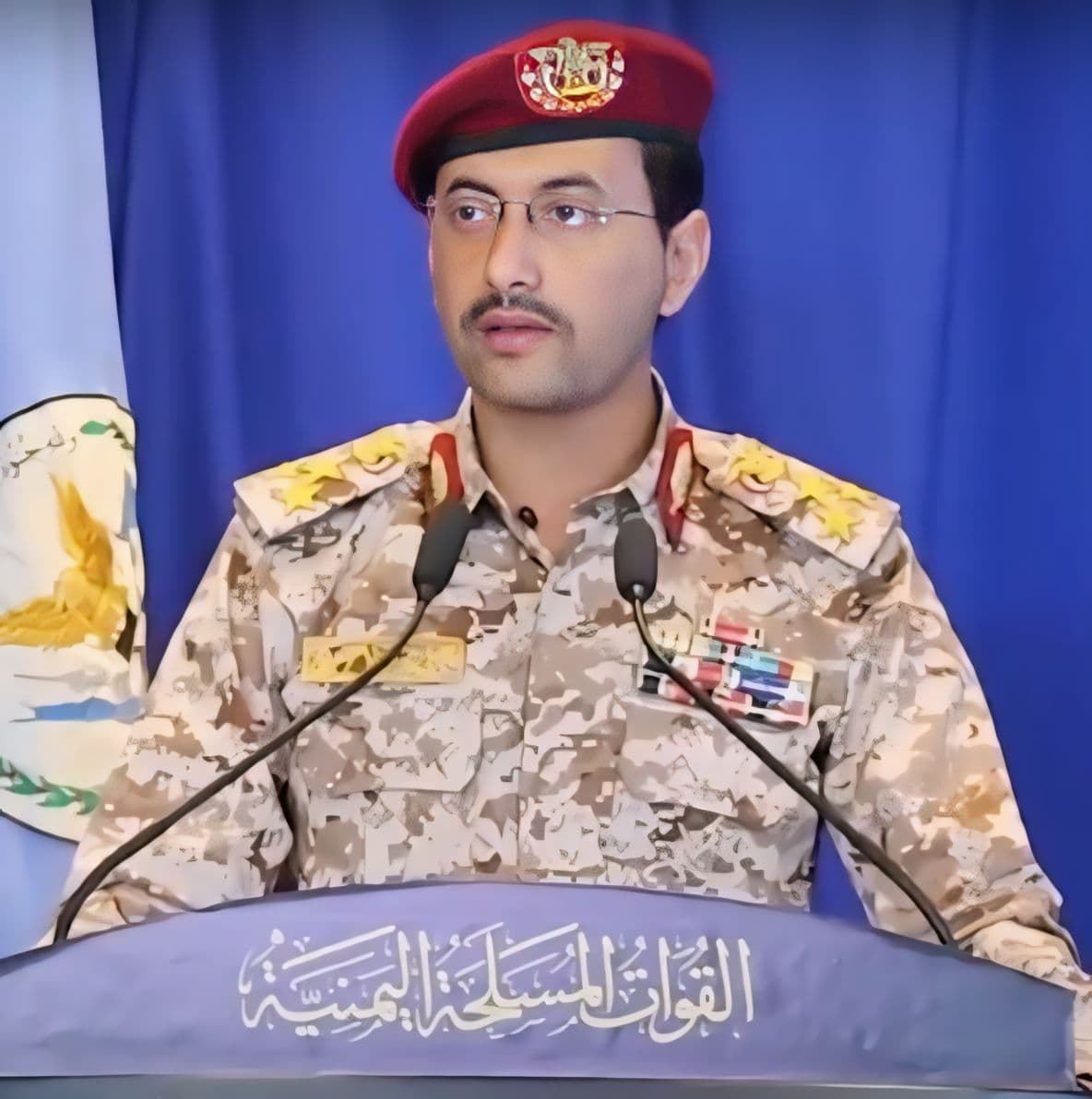
Yahya Saree, the Houthis' military spokesman, has become one of the public faces of Houthi missile and drone announcements.Belqees TV video still via Wikimedia Commons, CC BY 3.0
In March 2026, after holding back for a month following the US-Israel strikes on Iran, the Houthis fired missiles toward Israel. The attack was intercepted, but it mattered because it signaled that Yemen could again become a pressure point in the wider war.
Syria, the Lost Pillar
Syria under the Assad family was the Axis's only state partner besides Iran. Its value was not just diplomatic. It was geographical. Syrian territory linked Iran and Iraq to Lebanon.
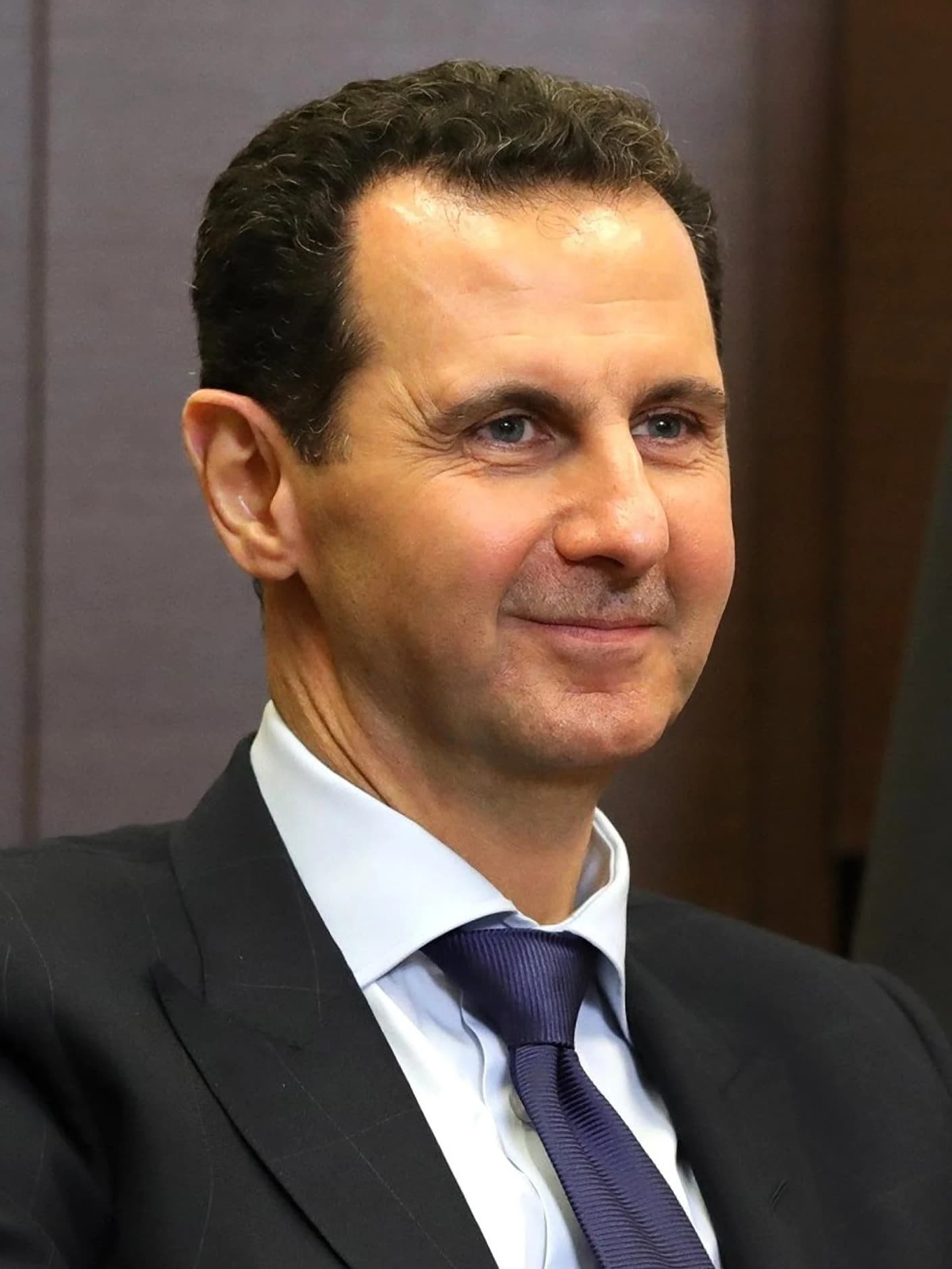
Bashar al-Assad's fall in December 2024 cut away the Axis's most important state corridor to Lebanon.Wikimedia Commons, CC BY-SA 4.0
When Assad's government fell in December 2024, Iran lost the "highway" that made Hezbollah resupply easier. The fall of Damascus did not end the Axis, but it broke one of its most important structural supports.
October 7 and the Unraveling
The October 7, 2023 attack on Israel was meant by Hamas to shock Israel, break assumptions and force the Palestinian issue back onto the regional agenda. It did that, but it also triggered a chain reaction that damaged nearly every major Axis member.
Israel's war in Gaza crushed much of Hamas's military infrastructure. Hezbollah opened a northern front in solidarity with Gaza, but the conflict later turned into a devastating Israeli campaign against its commanders and weapons network. Nasrallah's death in September 2024 was a strategic and psychological blow.
Then Syria collapsed. Chatham House described the Axis after 2024 not as dead, but as a network that survives through adaptation, informal economies and embedded local power. That distinction is important. The Axis lost its old shape, but its pieces did not vanish.
💡
The key shift
The Axis moved from a hub-and-spoke system centered on Iran and Hezbollah toward a flatter network of damaged but still armed actors. That makes it less predictable, not automatically less dangerous.
The Twelve-Day War: When Iran Fought Mostly Alone
The June 2025 Twelve-Day War was the clearest test of Iran's forward-defense doctrine before the 2026 conflict. Israel struck Iranian military and nuclear targets; the United States later hit Fordow, Natanz and Isfahan; Iran retaliated with missiles.
What stood out was the limited response from the network Iran had spent decades building. Hezbollah, Iraqi groups and the Houthis did not mount the kind of coordinated multi-front campaign that Tehran's deterrence theory implied.
That does not mean they were irrelevant. It means they were constrained. Hamas was depleted in Gaza. Hezbollah was recovering from leadership losses and domestic pressure. Iraqi factions faced government pressure and political calculations. The Houthis had their own timing and incentives.
The lesson was stark: the Axis could help Iran project pressure in normal escalation cycles, but it could not reliably absorb or reverse a direct attack on Iran itself.
The 2026 Iran War and the Death of Ali Khamenei
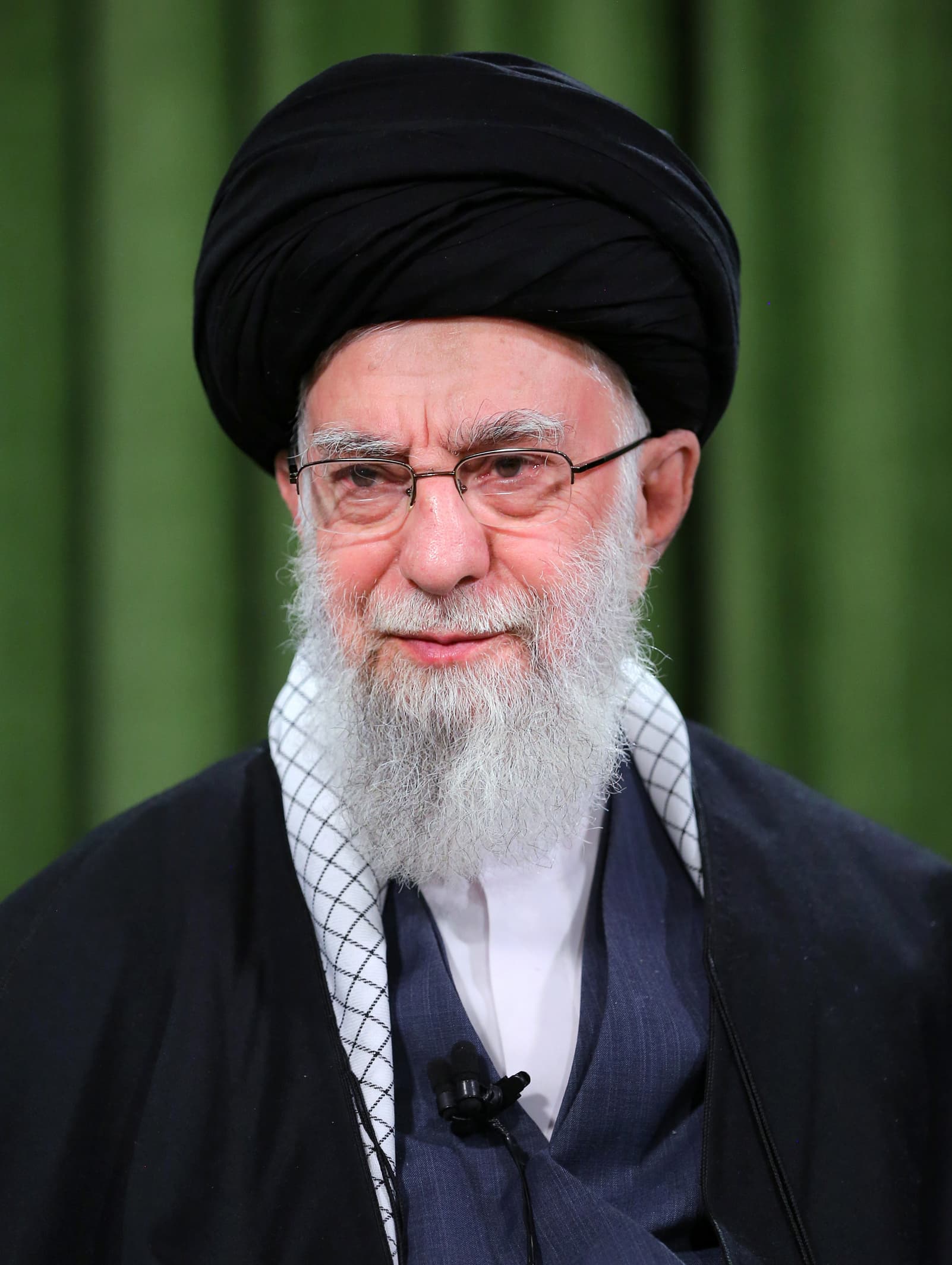
On February 28, 2026, the United States and Israel launched major attacks on Iran. AP and The Guardian reported that Iranian state media confirmed Supreme Leader Ali Khamenei was killed in the opening strikes. His death created a leadership shock at the center of the Islamic Republic.
Ali Khamenei, Iran's supreme leader from 1989 until his death in the February 2026 US-Israel strikes.Khamenei.ir via Wikimedia Commons, CC BY 4.0
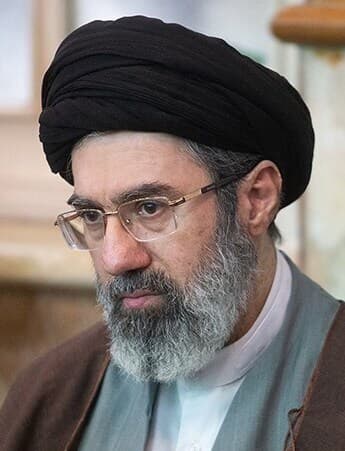
Mojtaba Khamenei later emerged as supreme leader. As of late April 2026, AP reporting carried by PBS said he had vowed to protect Iran's nuclear and missile capabilities, even as the war entered a fragile ceasefire-and-blockade phase.
That matters for the Axis because Iran's partners are no longer operating under the same regional conditions that existed before 2023. The old promise was that Iran could activate pressure from several fronts. The new reality is messier: each front has its own constraints.
Hezbollah still fights and absorbs strikes in Lebanon, but it is not the Hezbollah of 2019. Iraqi militias remain armed, but Baghdad's political center has more incentive to limit a war on Iraqi soil. The Houthis are capable and defiant, but they choose their timing. Iran is still the anchor, but its authority over the network has been weakened by war, leadership loss and practical battlefield realities.
Why the Houthis Matter So Much
The Houthis' most important leverage is not only their missiles aimed at Israel. It is geography.
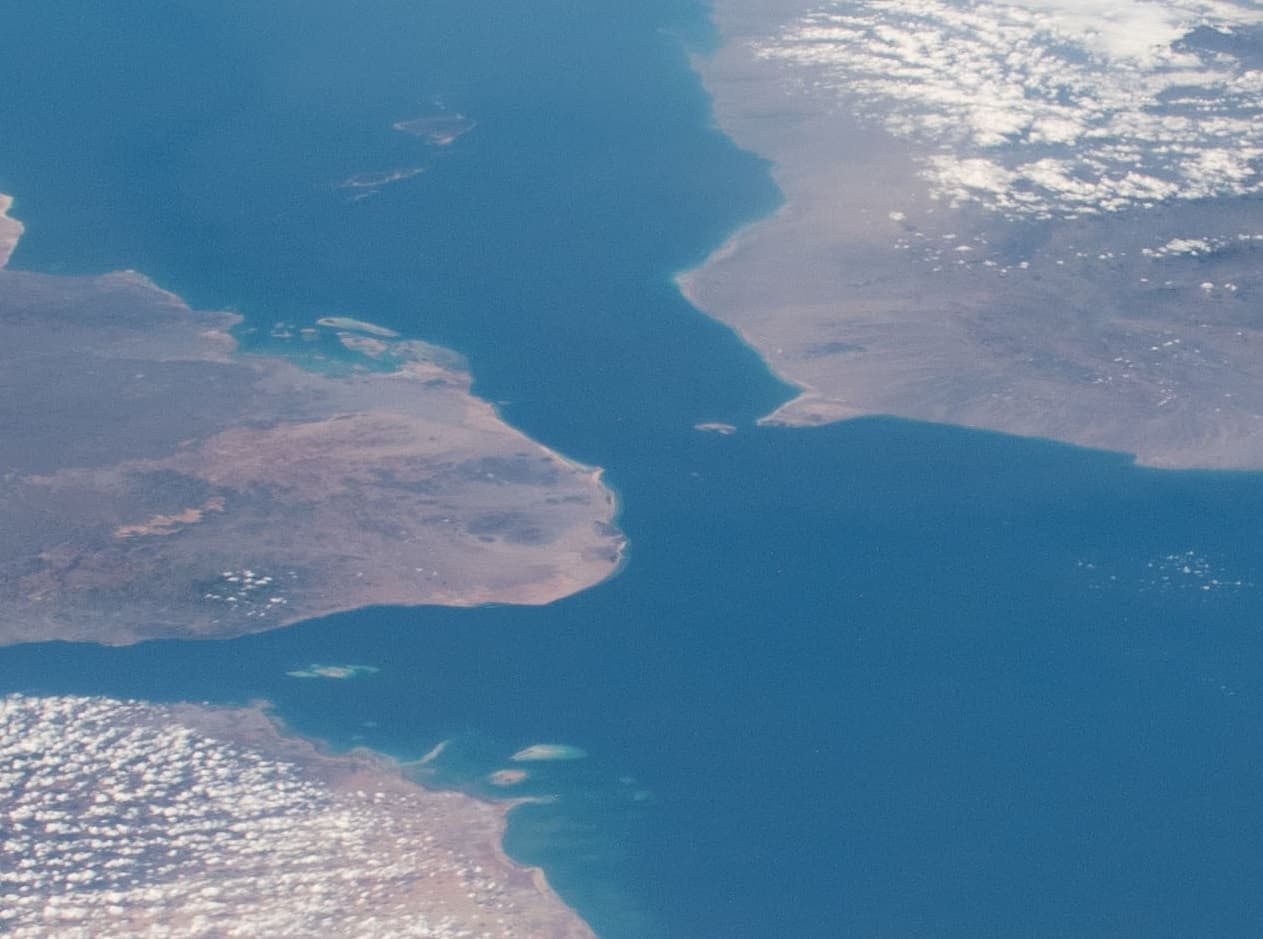
Bab al-Mandeb is one of the world's critical maritime chokepoints. Houthi pressure there can raise shipping costs far beyond Yemen.Wikimedia Commons, CC BY-SA 3.0
Yemen sits near the Bab al-Mandeb strait, the southern entrance to the Red Sea. If shipping through that corridor becomes unsafe, vessels reroute around Africa, costs rise and global trade feels the shock. That is why Houthi attacks on shipping from 2023 onward mattered far beyond the Gaza war.
When the Houthis fired toward Israel in March 2026, AP reported that the attack raised fears of renewed Red Sea shipping disruption. The missile itself was intercepted. The strategic message was not.
The Houthis are also different from Hezbollah and Iraqi militias because no strong central state is currently able to disarm them inside the territory they control. That makes them durable. It also makes them harder for Iran to fully command.
Where Things Stand on May 2, 2026
As of May 2, 2026, the Axis of Resistance is damaged but still relevant.
The immediate war picture is unsettled. AP reported on May 1 that President Donald Trump rejected Iran's latest proposal to end the war, while talks through Pakistani mediators continued. Iran has linked reopening the Strait of Hormuz to the end of the US blockade and the war. The United States has insisted that Iran's nuclear program cannot be separated from any wider settlement.
That means the Axis now operates in a different strategic environment:
Iran is weaker at the center, after direct strikes, leadership loss and damage to military infrastructure.
Hezbollah is still active but degraded, with its old command structure shattered and Lebanon under enormous pressure.
Hamas is no longer the same military threat from Gaza, even if it remains politically and symbolically important.
Iraqi groups remain embedded, but they face local constraints that make automatic escalation costly.
The Houthis are the most intact pressure point, especially because of Red Sea geography.
The Axis is not dead. But it is no longer a synchronized machine, if it ever truly was. It now looks more like a collection of armed actors that still share enemies and narratives, but make decisions through local survival, battlefield capacity and political timing.
Complete Timeline
1979
Iranian Revolution
The Islamic Republic is created. Revolutionary foreign policy and the IRGC provide the ideological and institutional roots of the future Axis.
1982
Hezbollah Emerges in Lebanon
After Israel's invasion of Lebanon, Iran's Revolutionary Guards help build Hezbollah, which becomes the model for Iran-backed armed politics.
2003
US Invasion of Iraq
The fall of Saddam Hussein opens Iraq to Iranian influence through parties, militias and later the Popular Mobilization Forces.
2006
Israel-Hezbollah War
Hezbollah survives a major war with Israel and claims victory, raising the regional prestige of the Axis.
2011-2020
Syrian Civil War
Iran, Hezbollah and allied Iraqi fighters help keep Bashar al-Assad in power, preserving Iran's corridor to Lebanon.
January 2020
Soleimani Killed
The United States kills Qasem Soleimani in Baghdad, removing the commander most associated with coordinating the Axis.
October 7, 2023
Hamas Attack on Israel
The Hamas-led attack triggers the Gaza war and a wider regional escalation that eventually damages the entire network.
September 2024
Nasrallah Killed
Hezbollah confirms Hassan Nasrallah was killed in an Israeli airstrike in Beirut, a historic blow to Iran's strongest partner.
December 2024
Assad Falls
Rebel forces capture Damascus. Iran loses its most important state ally and its land corridor to Hezbollah.
June 2025
Twelve-Day War
Israel and the United States strike Iranian targets. Iran's partners offer limited direct military support, exposing the weakness of the forward-defense model.
February 28, 2026
US-Israel Strikes on Iran
Major strikes hit Iran. Ali Khamenei is reported killed, and Iran enters a direct regional war with the United States and Israel.
March 28, 2026
Houthis Enter the Iran War
The Houthis launch missiles toward Israel after a month of holding back. The missiles are intercepted, but Red Sea fears rise.
May 1, 2026
War Talks Stall
Trump says he is not satisfied with Iran's latest proposal, while Pakistan-mediated diplomacy continues and the ceasefire remains fragile.
What This Means
The Axis of Resistance was built to solve Iran's central security problem: how to deter stronger enemies without matching them plane for plane, ship for ship or dollar for dollar. For years, the answer was a regional network that could pressure Israel, US forces, Gulf states and global shipping from multiple directions.
That model has not disappeared. But it has been badly exposed.
The Axis can still disrupt. It can still impose costs. It can still survive in weak states and informal economies. But the events since October 2023 show that it cannot reliably protect Iran from direct attack, cannot always coordinate its fronts and cannot prevent its members from making independent survival calculations.
The next phase will likely be less centralized and more volatile. Iran will try to rebuild leverage. Hezbollah will try to recover inside Lebanon. Iraqi factions will balance Tehran against Baghdad. The Houthis will use geography as leverage. And outside powers will continue to target the network while struggling to uproot groups that are deeply embedded in local politics.
Yes, but not a formal alliance. It is a loose Iran-led network built through weapons, training, ideology, financing and shared enemies. Its members coordinate at times, but they are not controlled by one public command structure.
Who are the main members today?
The core members are Iran, Hezbollah in Lebanon, Hamas and Palestinian Islamic Jihad, parts of Iraq's Popular Mobilization Forces and the Houthis in Yemen. Syria under Assad was a central state partner until December 2024.
Is Hezbollah still the strongest member?
Hezbollah remains one of the most powerful armed actors in the network, but it is much weaker than before the 2024 Israeli campaign that killed Nasrallah and other senior commanders.
Why are the Houthis important?
The Houthis control territory near Bab al-Mandeb, a crucial Red Sea shipping chokepoint. That lets them affect global trade and energy markets even when their direct attacks on Israel are intercepted.
Is the Axis dead?
No. It is damaged, fragmented and less synchronized. But groups such as Hezbollah, the Houthis and Iraqi militias are embedded in local politics and security structures, which makes them hard to eliminate quickly.
StoryRendered will continue updating this explainer as the Iran war, Red Sea crisis and Lebanon front develop. If this work helps you understand the story, you can support StoryRendered.
 Iran
Iran